Hard Detroit Beat Guide for Punchy Tracks
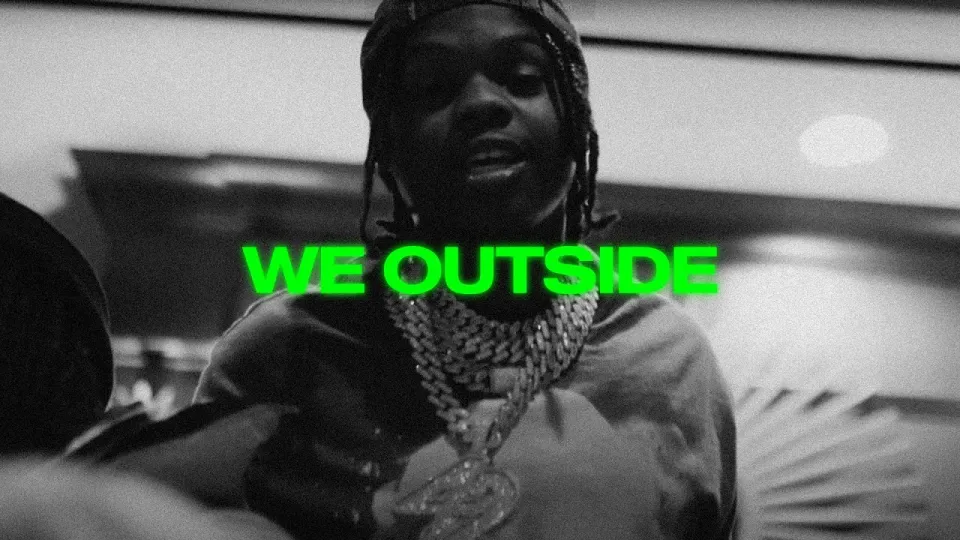
Video: (FREE) HARD DETROIT TYPE BEAT 2024 - "WE OUTSIDE"
Need articles like this for your video? They help promote it on YouTube and Google — order them in the Telegram bot @sat_sit_bot. It writes articles around your video, embeds the video and publishes them on popular niche websites (no ads). Your first 50 articles are free.
· based on the channel davegotbeats
Key takeaways
- Detroit beat is a rap subgenre known for aggressive drums, dark melodies, and fast hi-hats.
- Free download of "WE OUTSIDE" is available via https://bsta.rs/XPubtt with a buy 2 get 2 free offer.
- Streaming on Spotify or Apple Music requires a paid license, not the free version.
- Typical tempo range for Detroit-type beats is 140–160 BPM, often with punchy 808s and syncopated snares.
- The beat is by producer davegotbeats, who offers 15+ free beats at davegotbeats.net.
A Detroit beat is a style of hip-hop production that combines hard-hitting drums, dark atmospheric melodies, and a raw, aggressive energy rooted in Detroit rap. For a free hard Detroit type beat, you can download "WE OUTSIDE" by davegotbeats directly from this purchase link, which also includes a buy 2 get 2 free offer. The beat is free for non-profit use, but streaming on platforms like Spotify or Apple Music requires a paid license.
What Defines a Hard Detroit Type Beat
A hard Detroit type beat is built on a few core elements that give it its signature punch. First, the drums are loud and in-your-face: kick drums are distorted or layered, snares are crisp and often tuned higher, and hi-hats roll in fast triplets or 32nd notes. Second, the tempo usually sits between 140 and 160 BPM, which allows for both rapid hi-hat patterns and a head-nodding groove. Third, the melodic content leans toward dark pianos, eerie synths, and sometimes orchestral samples, creating a menacing backdrop. The bass is typically an 808 glide that follows the kick pattern, adding weight without mud. Detroit producers also favor space: not every bar is filled with sound, which makes the drops hit harder. This combination makes the style popular for street rap, drill crossovers, and any track that needs immediate intensity.
How to Use the "WE OUTSIDE" Beat Legally
Using a free type beat legally means understanding the license terms. The "WE OUTSIDE" beat is offered as a free download for non-commercial use, but if you plan to release your song on streaming services like Spotify, Apple Music, or YouTube monetization, you must purchase a license. The link https://bsta.rs/XPubtt takes you to the purchase page where you can buy the beat and also take advantage of a buy 2 get 2 free deal. After purchase, you receive untagged files and the rights to distribute your song. Always keep a copy of the license agreement. If you only want to practice or post a snippet on social media without monetization, the free version is usually sufficient, but check the producer's terms. For any questions, you can contact davegotbeats1@gmail.com.
Typical Structure of a Detroit Type Beat
Detroit-type beats often follow a standard rap song structure to make it easy for artists to write to. A common arrangement is:
- Intro (4–8 bars) – establishes the main melody, often with a filter or reduced drums.
- Verse (16 bars) – full drum pattern and bass, leaving space for vocals.
- Chorus (8 bars) – adds extra layers, such as a counter-melody or harder hitting drums.
- Verse (16 bars) – same as first verse but may include subtle variations.
- Chorus (8 bars) – repeats the hook.
- Bridge or breakdown (4–8 bars) – drops drums or changes melody for contrast.
- Outro (4–8 bars) – fades out or ends abruptly.
This structure helps artists map their verses and hooks without guessing. Many producers also include a "beat switch" or a change in the final chorus to keep the listener engaged. When you download a type beat, listen for these sections and practice writing to each part.
Mixing and Mastering Tips for Detroit Beats
Mixing a Detroit beat requires balancing aggression with clarity. Start by setting your kick and 808 to peak around -6 dB, then mix other elements around them. Use sidechain compression on the 808 so the kick punches through. Hi-hats should be bright but not piercing: roll off frequencies above 12 kHz if they sound harsh. Snare should cut through the mix; try boosting around 200 Hz for body and 3–5 kHz for snap. Melodic elements like pianos or synths often sit in the midrange, so carve out space with EQ to avoid clashing with vocals. On the master bus, a gentle limiter (ceiling at -1 dB) and slight saturation can glue the track together. If you're an artist mixing your vocals over a Detroit beat, leave headroom and avoid over-compressing the instrumental.
Common Questions from Artists About Detroit Beats
Artists often ask about tempo, key, and how to stand out on a Detroit-type beat. The tempo of "WE OUTSIDE" is in the typical hard Detroit range, so it works for both rapping and singing. If you're writing, try to match the energy of the drums with an aggressive flow, or contrast it with a laid-back delivery for a unique vibe. Another common question is whether you can use the beat for a freestyle on YouTube; yes, with the free version, as long as you don't monetize the video. For monetized content, purchase the license. Some artists also wonder about the key: most Detroit beats are in minor keys, which gives them a dark feel. You can find the key by using software or by ear, then tune your vocals accordingly. Finally, if you want to collaborate with the producer, reach out via email; davegotbeats is open to questions.
Where to Find More Free Detroit Beats
If you like "WE OUTSIDE," you can get more free beats from the same producer. davegotbeats offers over 15 free beats on the website davegotbeats.net. These are available for non-profit use, and you can also purchase licenses for commercial releases. The site includes various styles, but the hard Detroit sound is a specialty. To stay updated, subscribe to the YouTube channel and enable notifications. Many producers also post beats on BeatStars, where you can search for "Detroit type beat" and filter by tempo, key, or mood. Always read the license terms before releasing a song, and consider supporting the producer by buying a lease if your track gains traction.
Final Thoughts on Hard Detroit Beats
The hard Detroit beat style continues to evolve, blending elements of trap, drill, and classic hip-hop. The "WE OUTSIDE" beat by davegotbeats is a solid example of the genre, offering a free entry point for artists. Remember to purchase a license if you plan to stream your song, and take advantage of the buy 2 get 2 free offer at https://bsta.rs/XPubtt. For more beats and updates, visit davegotbeats.net. This breakdown was prepared by the davegotbeats channel, which specializes in hard Detroit type beats. Use these tips to write, mix, and release your next track with confidence.
Source: (FREE) HARD DETROIT TYPE BEAT 2024 - "WE OUTSIDE" · Markdown version
Questions & answers
Can I use the "WE OUTSIDE" beat for free on YouTube?
Yes, you can use the free version for non-monetized videos. If you want to monetize the video or release it on streaming platforms, you need to purchase a license from the link provided.
What BPM is typical for a hard Detroit type beat?
Most hard Detroit beats range from 140 to 160 BPM. This tempo allows for fast hi-hat patterns and a driving feel while still leaving room for vocals.
Do I need a license to stream my song on Spotify?
Yes, streaming on Spotify, Apple Music, or other paid platforms requires a paid license. The free version is only for non-profit use, such as practice or non-monetized social media posts.
How can I contact the producer for questions?
You can email davegotbeats1@gmail.com for any questions about licensing, custom beats, or collaborations. The producer is responsive and open to inquiries.